

The Federal Emergency Management Agency has granted federal funding to Ohio and other states days after Gov. Mike DeWine asked President Donald Trump to enact a Presidential Major Disaster Declaration.
A major disaster declaration is an action U.S. presidents can take to grant funding to states severely affected by disasters such as storms, floods or fires. To receive the declaration and resulting funding, the state or community must prove the damage exceeds what the state can repair with its own resources and assistance.
“These storms resulted in a disaster of such severity and magnitude that it exceeds the capabilities of the State of Ohio, local governments, and disaster relief organizations to provide comprehensive support,” DeWine said.
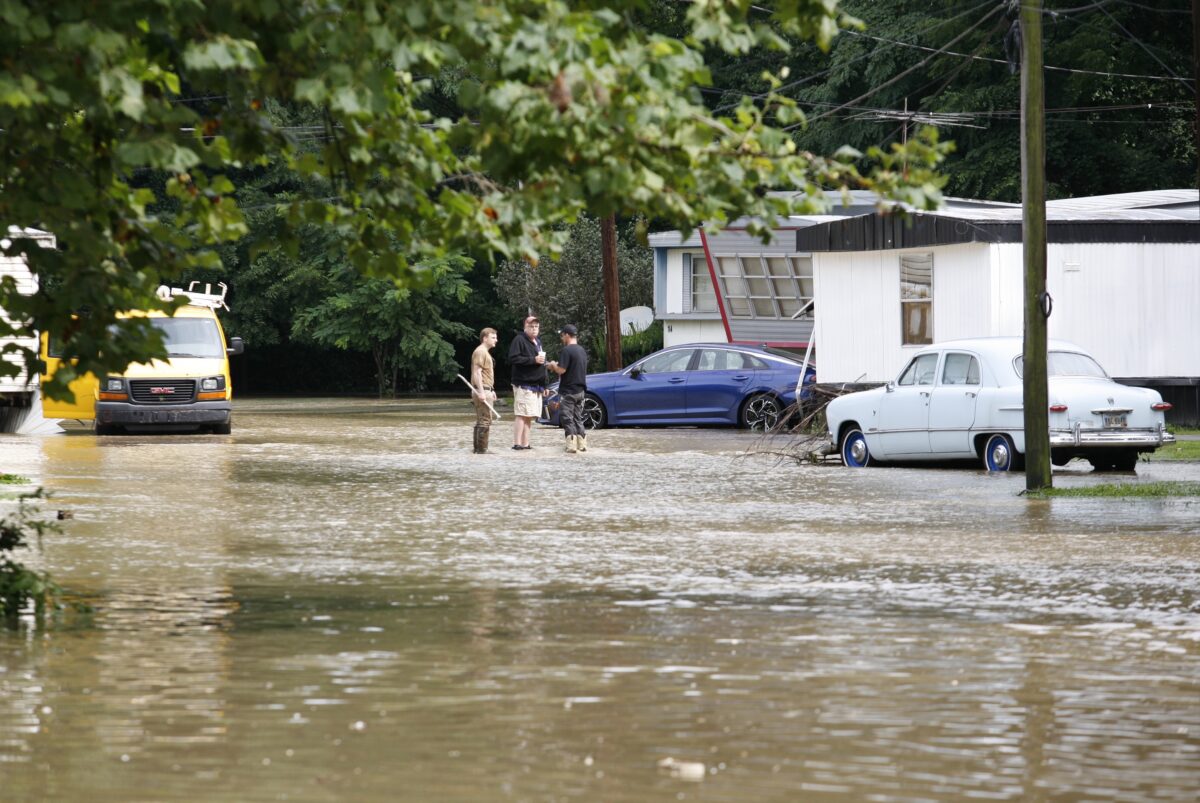
From Aug. 10 to Aug. 23, 23 Ohio counties, including Licking County, experienced severe storms and catastrophic flooding, according to the letter DeWine sent to Trump.

In their initial damage assessments, the Federal Emergency Management Agency (FEMA) and Small Business Administration (SBA) found that across the state, the flooding caused major damage to 806 properties and minor damage to 475 properties. The flooding damaged at least 50 properties beyond repair.
DeWine’s request, co-signed by Rep. Troy Balderson, R-Zanesville, and Republican U.S. Sens. Jon Husted and Bernie Moreno of Ohio, asks Trump to activate FEMA’s Individual Assistance Grant Program, which can provide grants to affected residents for temporary housing, home repairs, rental assistance, and other costs associated with the flooding.
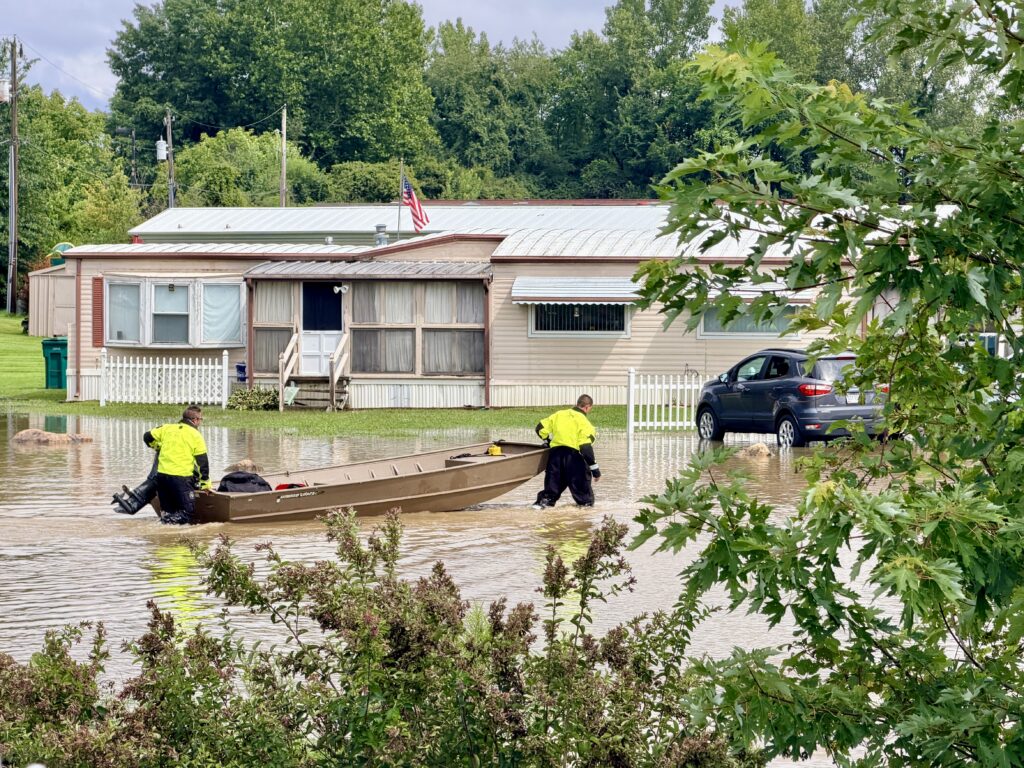
“If the federal declaration is approved, then that opens up the programs through FEMA where people can apply for disaster relief money,” said John Wieber, interim director of the Licking County Emergency Management agency. “It doesn’t make somebody whole, but it can help open up funding streams through FEMA.”
Two days after receiving the letter, the Trump Administration granted some of the funding requested in DeWine’s letter. The administration approved $36 million in FEMA funding for disaster recovery in Michigan, Wisconsin and Ohio. The money going to Ohio comes from Public Assistance, Hazard Mitigation Grant Program projects, and the Building Resilient Infrastructure and Communities programs under FEMA.
DeWine requested funding from the Hazard Mitigation Grant Program in his initial letter to President Trump. However, Trump has not yet declared a major disaster for Ohio, leaving DeWine’s requests for the Individual Assistance Grant Program, FEMA’s Transitional Sheltering Assistance Program, and the SBA Physical Damage Loan programs unfulfilled.
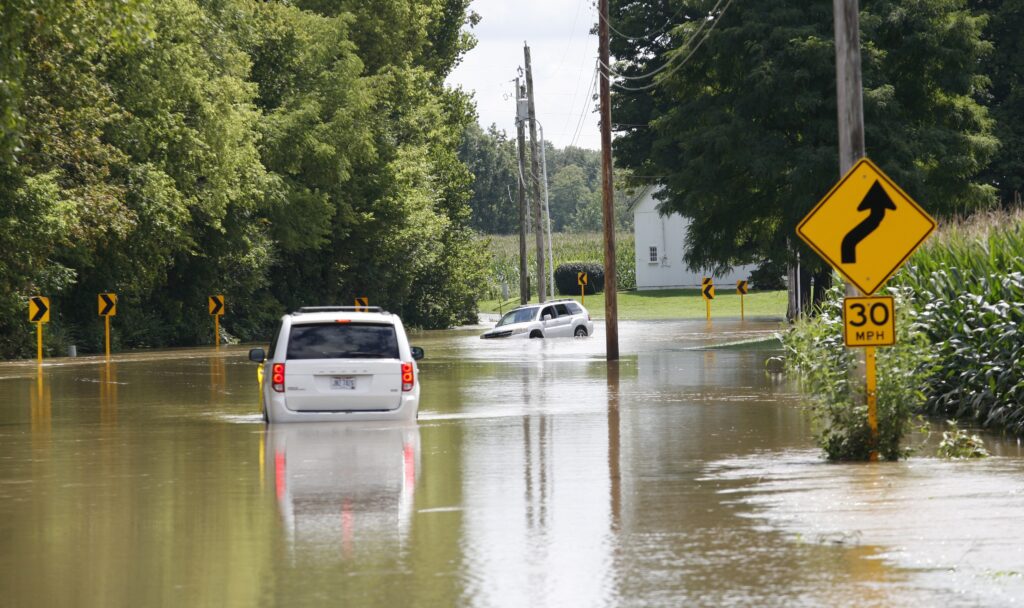
Wieber, who was promoted to interim director two days before the flooding along the South Fork of the Licking River, said FEMA and the Ohio SBA investigated the flood damage about a week after the flooding, and a few days after the Licking County Emergency Management conducted an initial roadside survey.
The data gathered about damage in Licking County is part of the report submitted as part of the state report that determines whether federal funding is needed.
“It’s hard to do an assessment on a flood if you’re not seeing anything from the roadside, unless you see debris from people’s houses or garages that they’ve already set outside,” Wieber said. “When FEMA’s in town, they’re able to make more contact with residents, which, in this case, we found out there’s a lot of sewer backup.”
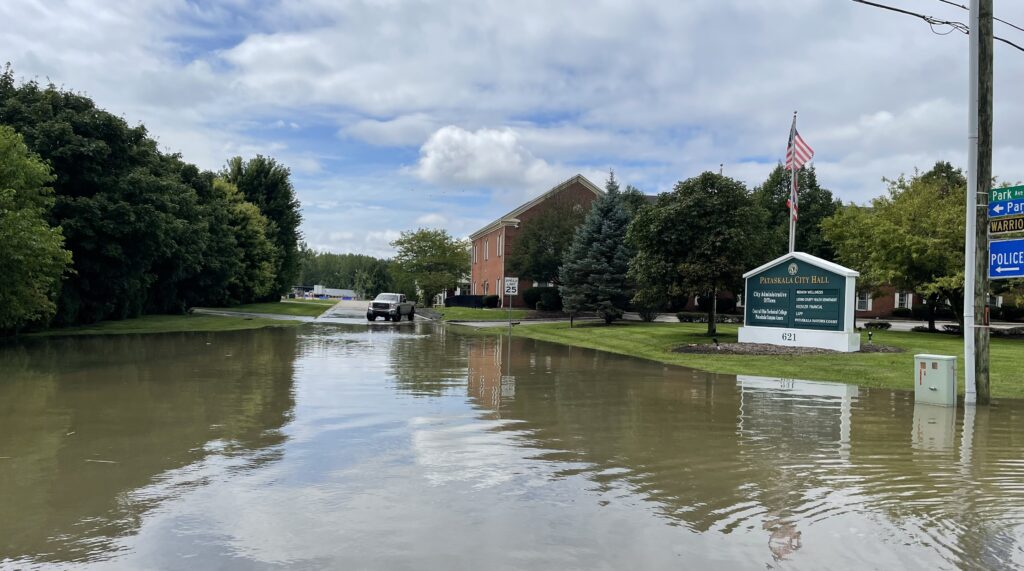
Wieber said Pataskala was one of the most impacted areas by the flooding, with Heath, Buckeye Lake, Hebron, and parts of Newark also experiencing damage.
This week, the Licking County Emergency Management is working with a litany of local organizations to host two more Multi-Agency Resource Center events. The Multi-Agency Resource Center brings together all the local resources that can provide aid and assistance to residents impacted by the floods.
The next two resource center events will take place from 12 p.m. to 7 p.m. on Wednesday, Sept. 9, and Thursday, Sept. 10, at the Hebron New Life Community Center. Organizations such as Licking County Job and Family Services, Mental Health & Recovery of Licking and Knox Counties, the United Way of Licking County, Salvation Army, Licking Memorial Hospital, and many others will be in attendance. Wieber said that legal aid will also be an option for residents who need it, and the auditor’s office can assist with property tax information.
Wieber recommends that residents keep the receipts and insurance records for any repairs made to their property, or payment records for temporary housing, in case more federal funding or long-term, low-interest loan options become available through FEMA.
“If you make any repairs, quotes, anything like that, keep lists of your belongings, receipts, quotes, invoices,” Wieber said. “So you have that kind of information to pass along if these programs become available.”
Maddie Luebkert writes for TheReportingProject.org, the nonprofit news organization of Denison University’s Journalism program, which is supported by generous donations from readers. Sign up for The Reporting Project newsletter here.
Luebkert is one of two Kirtley Mather Fellows at The Reporting Project. The fellowship is created in memory of Kirtley Mather, Denison University Class of 1909, with the mission of providing unique opportunities for students to engage in service for the common good.