

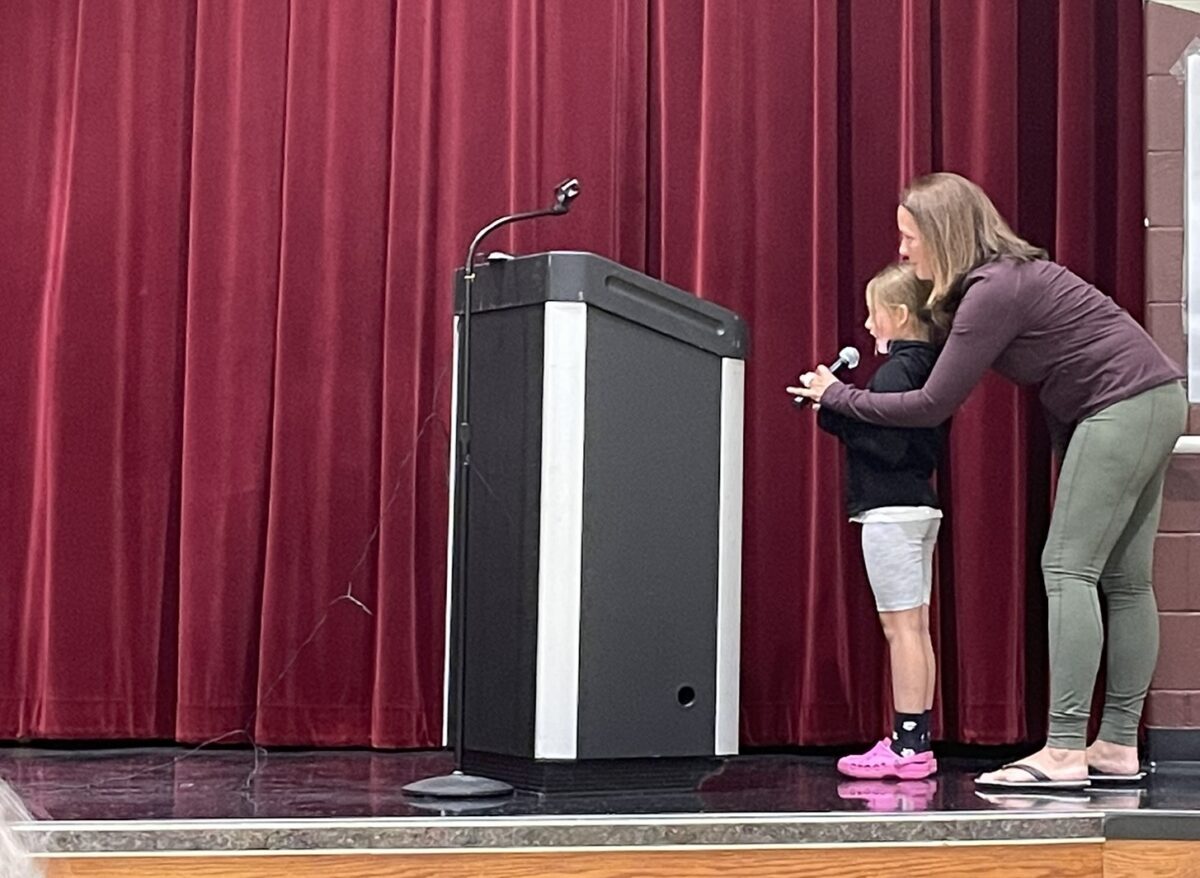
The 8-year-old waited patiently during nearly two and a half hours of testimony by 37 people who spoke about another gas-fired power plant proposed for a New Albany data center.
Five people testified in favor of the plant – all representing trade unions whose members would potentially benefit from an estimated 2,000 construction jobs. The rest, like New Albany second-grader Whitney Priestas, pleaded with the Ohio Power Siting Board (OPSB) to reject the application for the 450-megawatt PowerConneX New Albany 3 Energy Center.
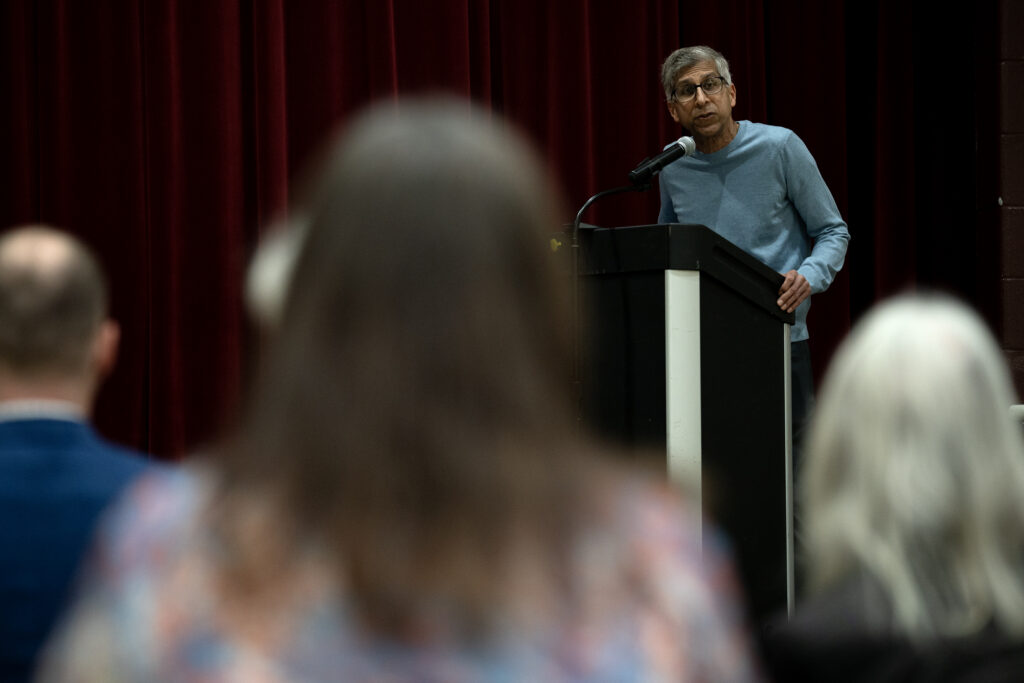
One speaker after another, including two doctors and a nurse from New Albany, spoke in great detail about the tons of chemicals in the air pollution it would generate and the damage that pollution could do to humans – asthma, lung disease, heart disease and more.
Whitney was speaker number 33 during the power siting board’s public hearing on Thursday, Oct. 22, at the New Albany Plain Local Early Learning Center.
She confidently walked to the podium and brought it home. As her mom, Rhiannon Priestas, held the microphone, Whitney talked about what fun it has been to play outdoors in a place like New Albany and how worried she is now about air pollution because it could hurt people in the parks and the animals there.
“I know adults have to make important decisions,” she said, asking the power siting board to remember her when they decide whether to approve the power plant. “Please think about our health, our family and our future.”
And for the first time that evening, many among the nearly 100 people who attended the hearing – and had been asked by an OPSB official to remain silent during testimony – rose from their hard-plastic chairs and gave Whitney a standing ovation.
Read more | Public hearing on another gas-fired power plant for a data center set for Oct. 22 in New Albany
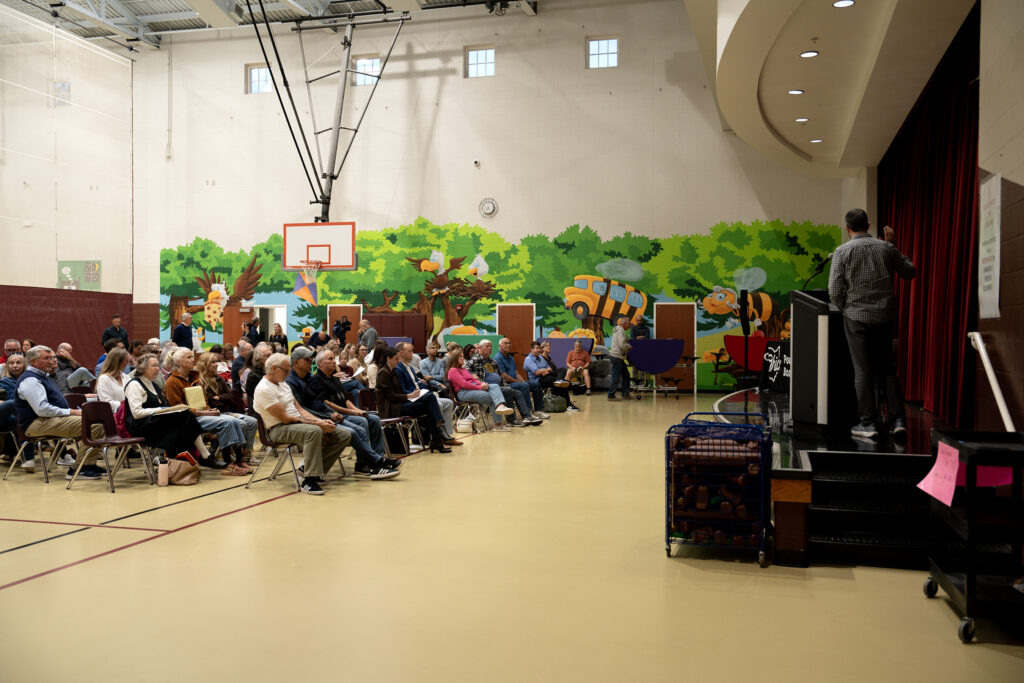
The gym at Early Learning Center was filled with New Albany area residents for a public hearing on the construction of PowerConneX, Inc’s proposal to construct a natural gas-fired electric generation facility. The meeting was hosted by the Ohio Power Siting Board in New Albany Ohio, US, on Thursday, Oct. 22, 2026. 
The grassroots group, Save Ohio Parks, meets in the public library in New Albany ahead of a public hearing on the construction of PowerConneX’s proposal to construct a natural gas-fired electric generation facility. 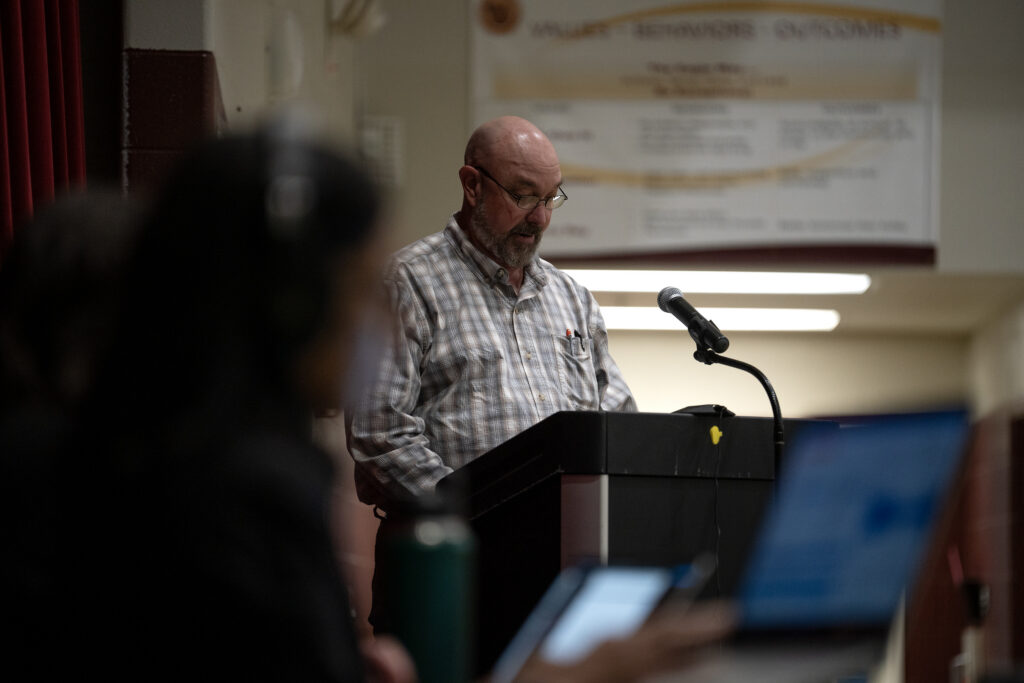
Frank Lowell II was the first to speak during a public hearing in New Albany about the construction of a proposed PowerConneX natural gas-fired electric generation facility. He represented the International Union of Operating Engineers, who run heavy equipment used to build such plants, and he said union members would benefit from an estimated 2,000 construction jobs if the project is approved. 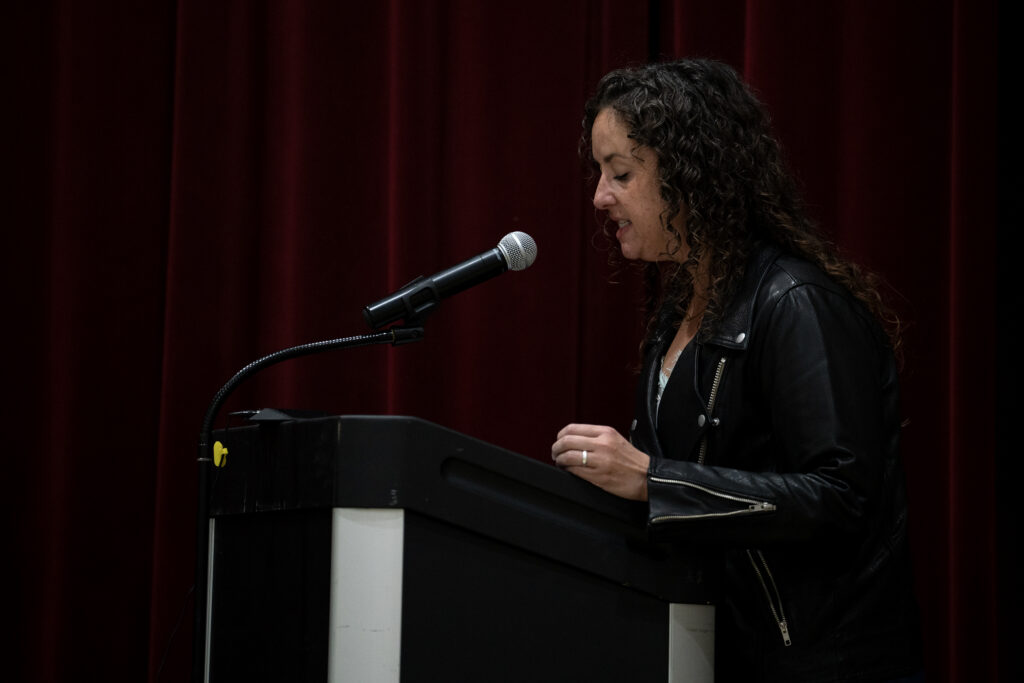
Ashley Labaki of Nashport, Ohio, speaks on behalf of the International Brotherhood of Electrical Workers Local 1105 during an Oct. 22 public hearing on the construction of a PowerConneX power plant. Electricians would benefit from the jobs it would bring, she said. 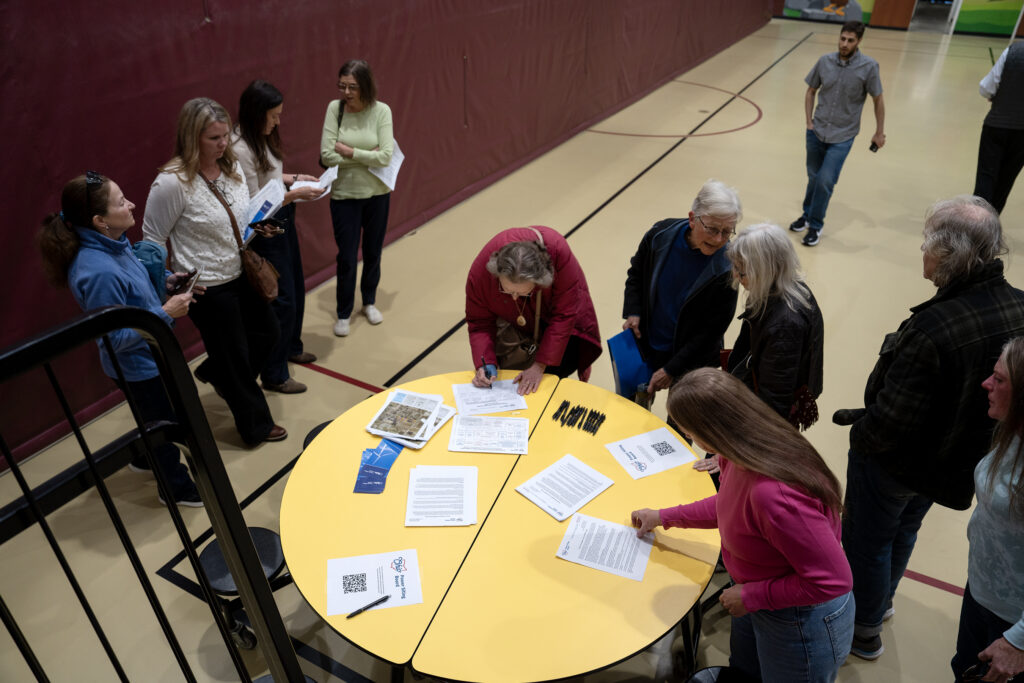
The gym at Early Learning Center was filled with New Albany area residents for a public hearing on the construction of PowerConneX, Inc’s proposal to construct a natural gas-fired electric generation facility. The meeting was hosted by the Ohio Power Siting Board in New Albany Ohio, US, on Thursday, Oct. 22, 2026. 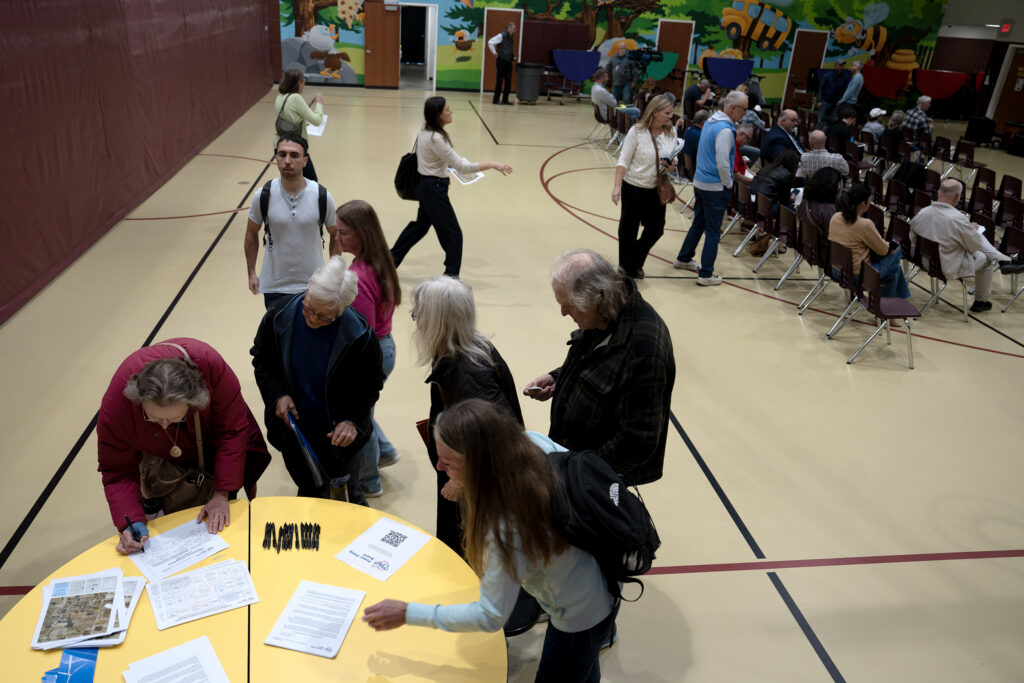
The gym at Early Learning Center was filled with New Albany area residents for a public hearing on the construction of PowerConneX, Inc’s proposal to construct a natural gas-fired electric generation facility. The meeting was hosted by the Ohio Power Siting Board in New Albany Ohio, US, on Thursday, Oct. 22, 2026. 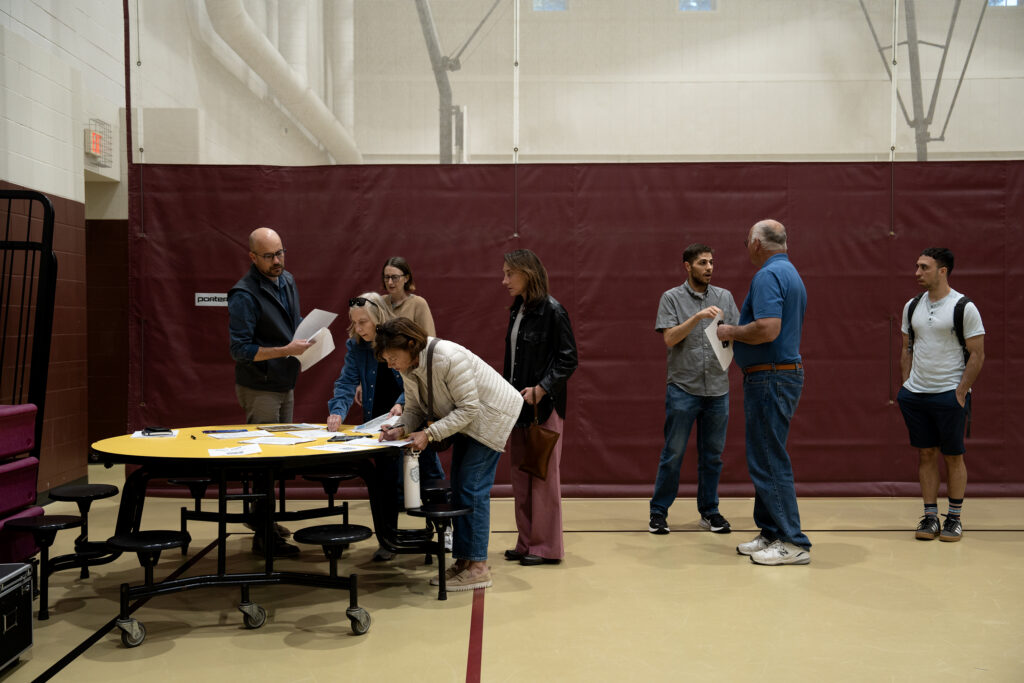
The gym at Early Learning Center was filled with New Albany area residents for a public hearing on the construction of PowerConneX, Inc’s proposal to construct a natural gas-fired electric generation facility. The meeting was hosted by the Ohio Power Siting Board in New Albany Ohio, on Thursday, Oct. 22, 2026. 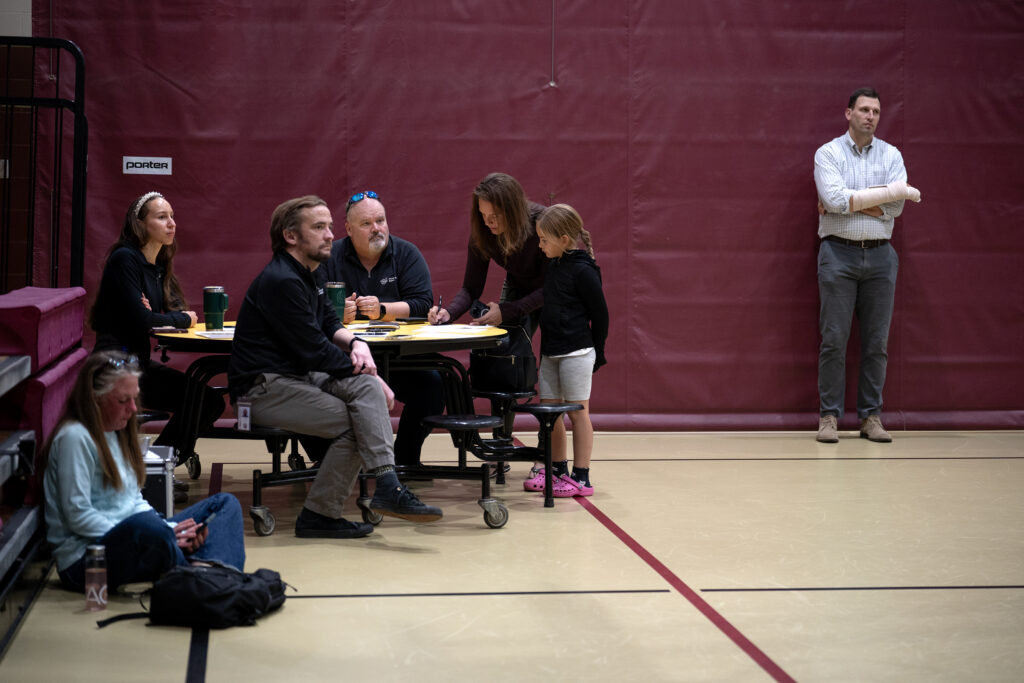
Rhiannon Priestas and her daughter, Whitney, 8, sign in with the Ohio Power Siting Board so that Whitney could speak during a public hearing on Oct. 22, 2026, in New Albany about the construction of PowerConneX, Inc’s proposal to construct a natural gas-fired electric generation facility. 
Alana Shokey sits sits with her children in the gym at Early Learning Center during a public hearing on the construction of PowerConneX, Inc’s proposal to construct a natural gas-fired electric generation facility. The meeting was hosted by the Ohio Power Siting Board in New Albany Ohio, on Thursday, Oct. 22, 2026. 
Lila and Noah Shockey climb on their mom, Alana, during a break at a public hearing on the construction of PowerConneX, Inc’s proposal to construct a natural gas-fired electric generation facility. The meeting was hosted by the Ohio Power Siting Board in New Albany Ohio, US, on Thursday, Oct. 22, 2026. Lowell was for the proposed power plant. 
Rachel Kutzley waits for her turn to speak during a public hearing on the construction of PowerConneX, Inc’s proposal to construct a natural gas-fired electric generation facility. The meeting was hosted by the Ohio Power Siting Board in New Albany Ohio, US, on Thursday, Oct. 22, 2026. Lowell was for the proposed power plant. 
The Malik family nearly filled a row in the gym at Early Learning Center during the Oct. 22 Ohio Power Siting Board hearing in New Albany. 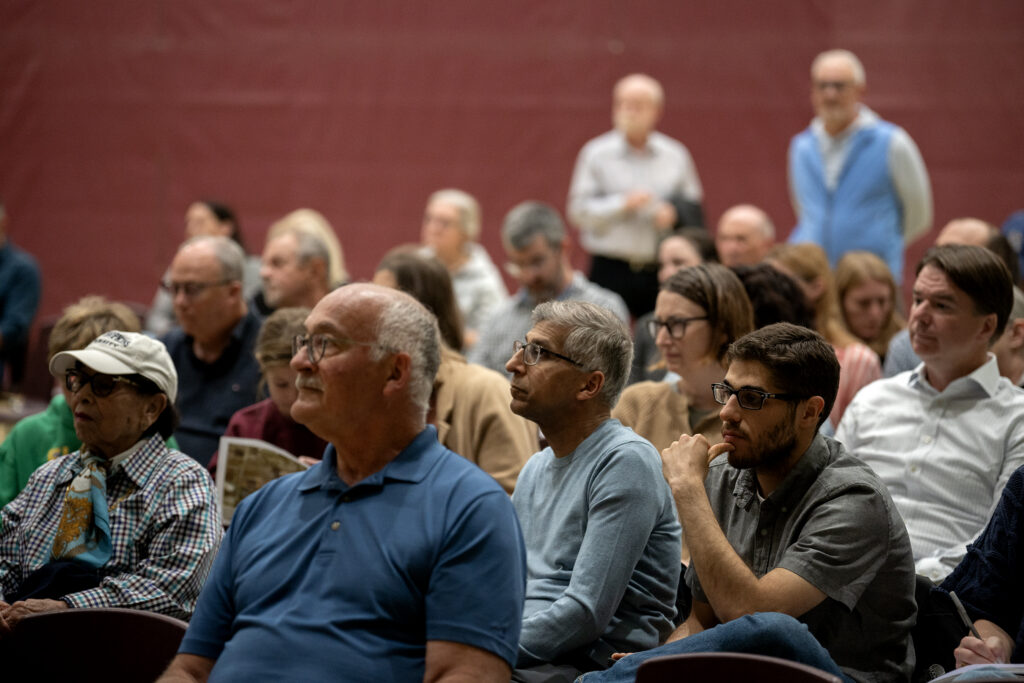
The gym at Early Learning Center was filled with New Albany area residents for a public hearing on the construction of PowerConneX, Inc’s proposal to construct a natural gas-fired electric generation facility. The meeting was hosted by the Ohio Power Siting Board in New Albany Ohio, on Thursday, Oct. 22, 2026. 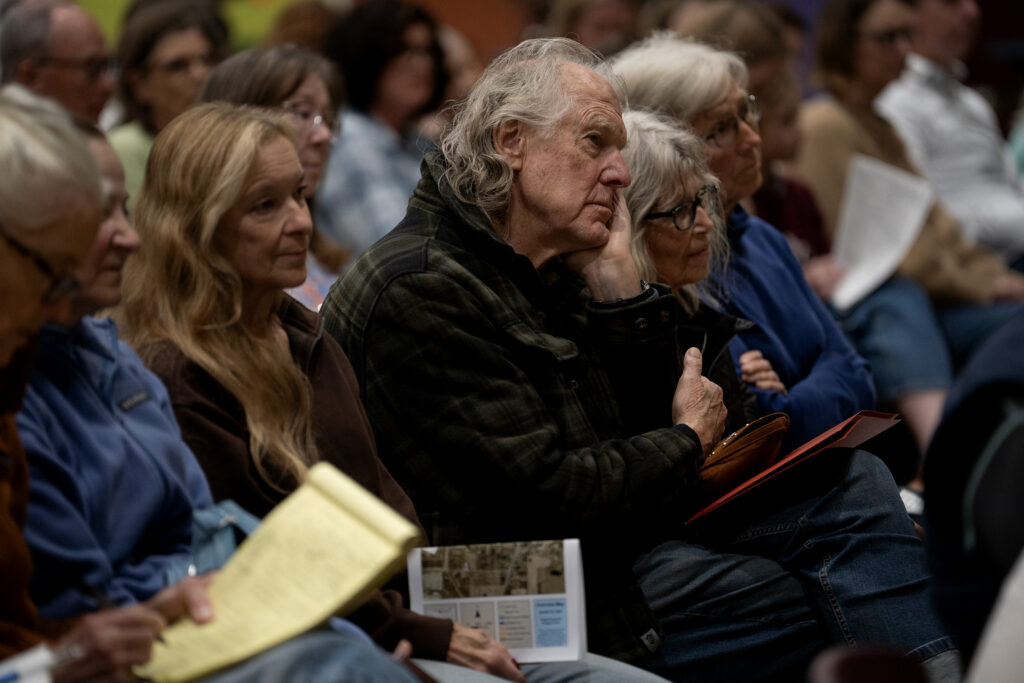
The gym at Early Learning Center was filled with New Albany area residents for a public hearing on the construction of PowerConneX, Inc’s proposal to construct a natural gas-fired electric generation facility. The meeting was hosted by the Ohio Power Siting Board in New Albany Ohio, US, on Thursday, Oct. 22, 2026. 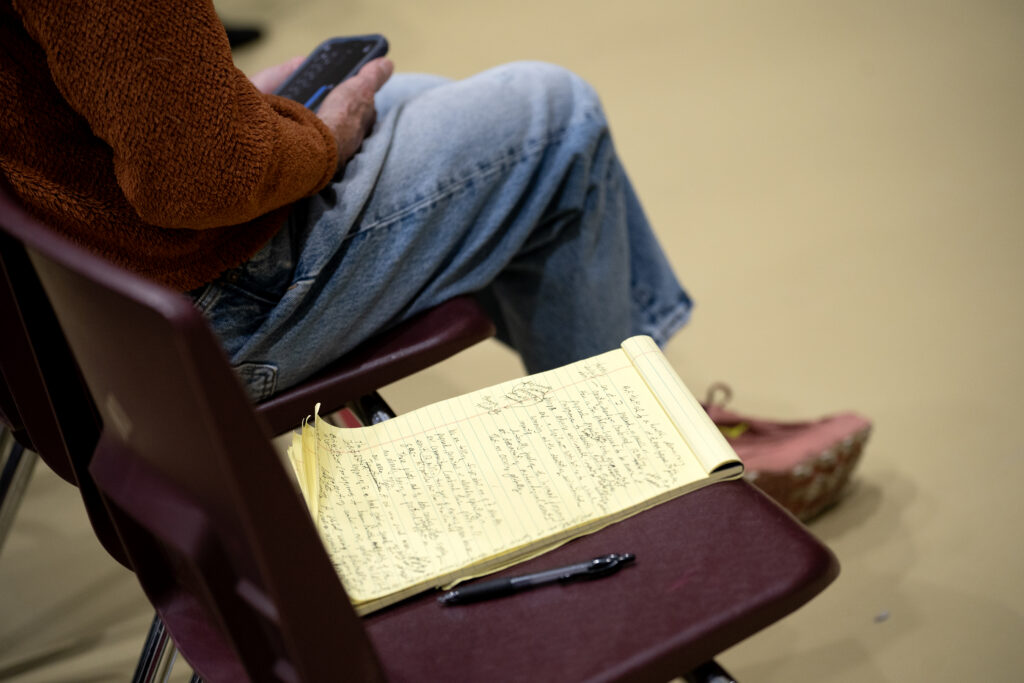
A woman sits with her notes while waiting her turn to speak during a public hearing on the construction of PowerConneX, Inc’s proposal to construct a natural gas-fired electric generation facility. The meeting was hosted by the Ohio Power Siting Board in New Albany Ohio, US, on Thursday, Oct. 22, 2026. 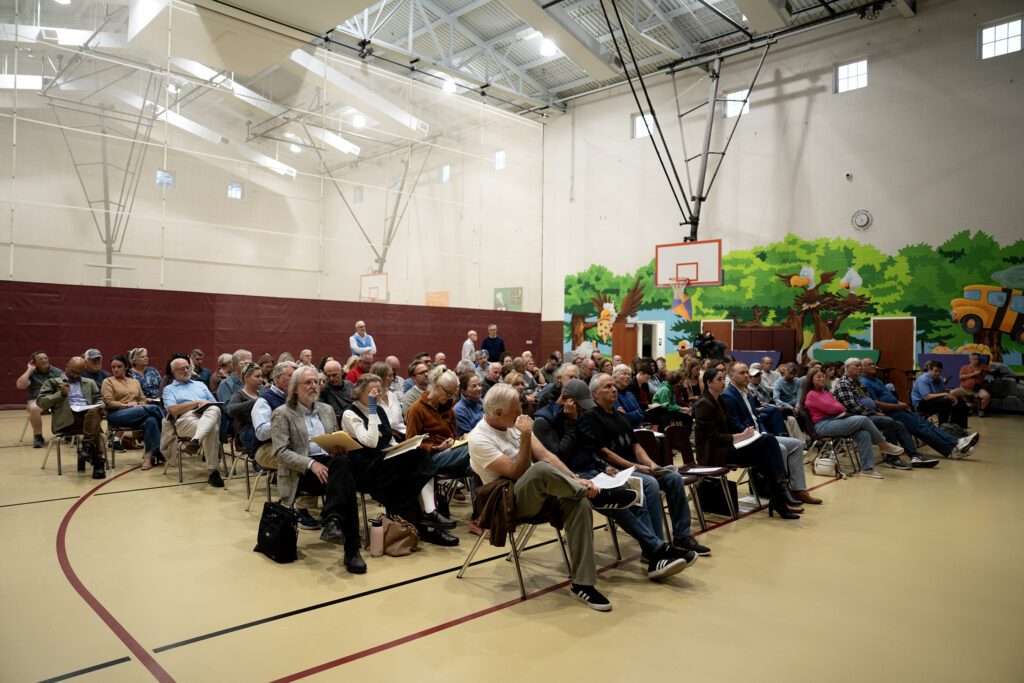
The gym at Early Learning Center was filled with New Albany area residents for a public hearing on the construction of PowerConneX, Inc’s proposal to construct a natural gas-fired electric generation facility. The meeting was hosted by the Ohio Power Siting Board in New Albany Ohio, US, on Thursday, Oct. 22, 2026. 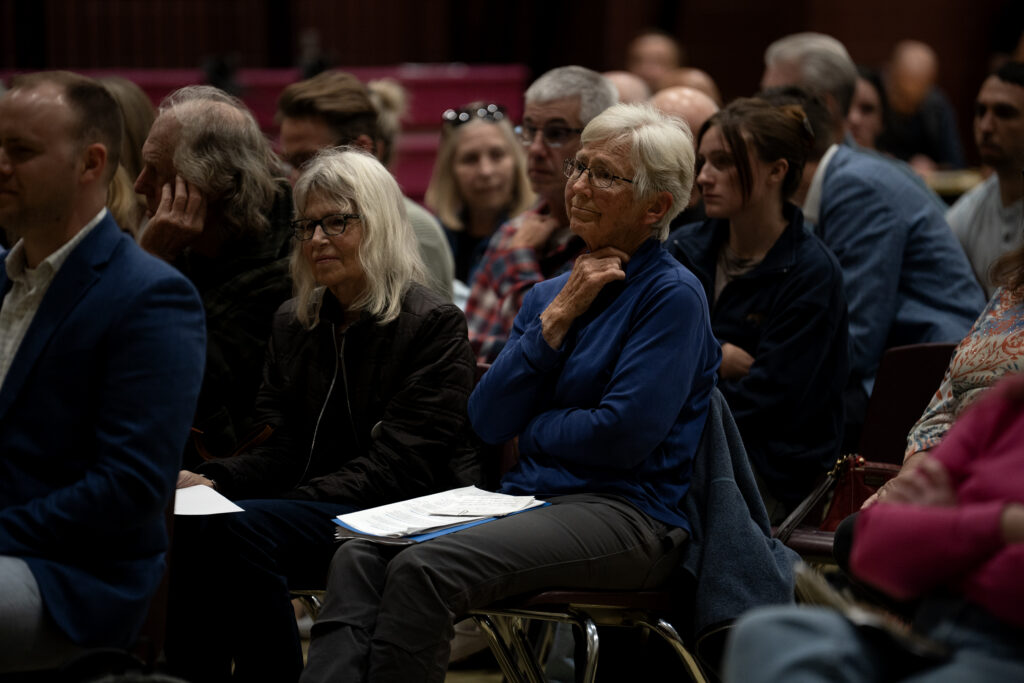
The gym at Early Learning Center was filled with New Albany area residents for a public hearing on the construction of PowerConneX, Inc’s proposal to construct a natural gas-fired electric generation facility. The meeting was hosted by the Ohio Power Siting Board in New Albany Ohio, US, on Thursday, Oct. 22, 2026. 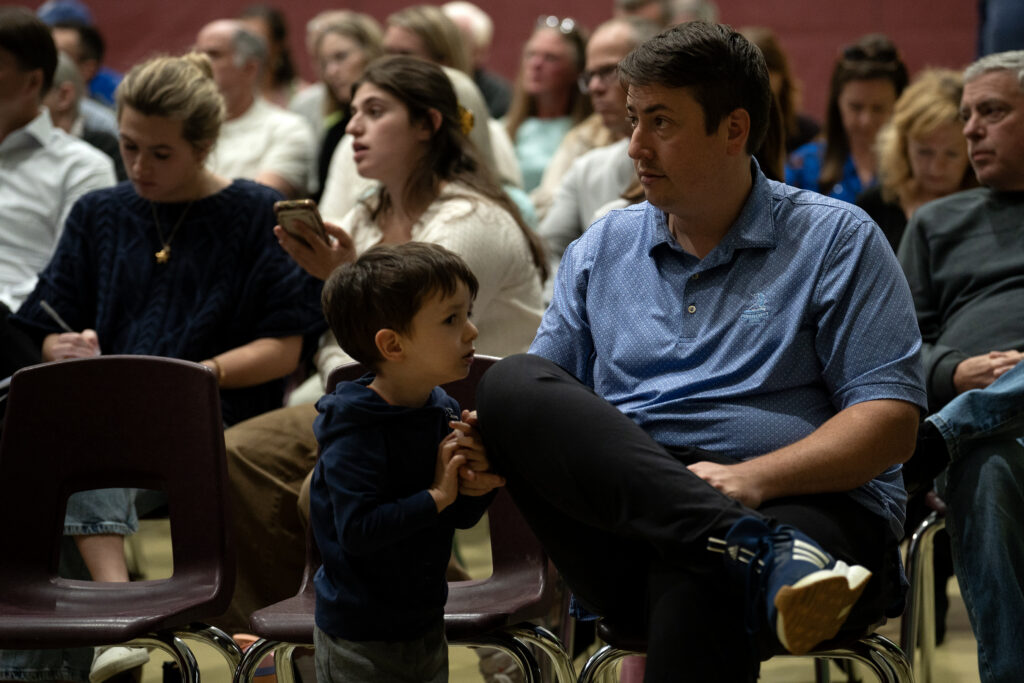
Evan Lipsky sits sits with his son in the gym at Early Learning Center during a public hearing on the construction of PowerConneX, Inc’s proposal to construct a natural gas-fired electric generation facility. The meeting was hosted by the Ohio Power Siting Board in New Albany Ohio, US, on Thursday, Oct. 22, 2026. 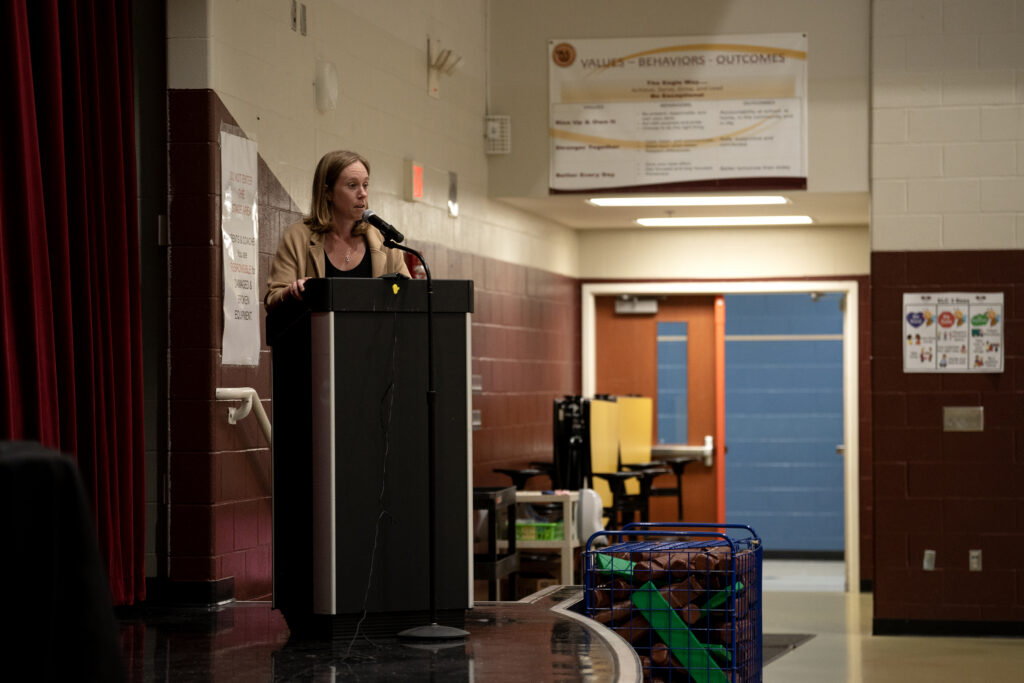
Alana Shokey speaks during a public hearing on the construction of PowerConneX, Inc’s proposal to construct a natural gas-fired electric generation facility. The meeting was hosted by the Ohio Power Siting Board in New Albany Ohio, US, on Thursday, Oct. 22, 2026. Shockey was against the proposed power plant.
Because of a last-minute change of venue for the Thursday hearing, the OBSB will allow public testimony at an evidentiary hearing scheduled for 10 a.m. on Nov. 4 at the Public Utilities Commission of Ohio offices at 180 E. Broad St. in downtown Columbus. Evidentiary hearings are the last step in a months-long process of reviewing such projects before the board decides whether to approve them, and those hearings typically do not include public testimony.
The board also will accept public comments online under case number 26-361-EL-BGN. Documents related to the case are available online in the file under that case number.
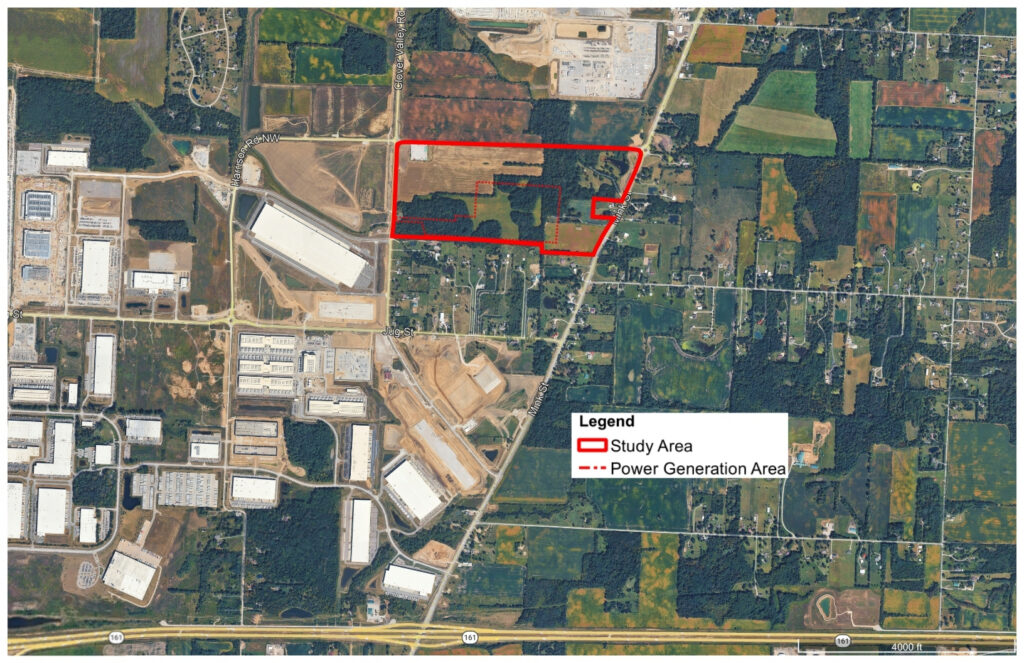
The plant is proposed for a New Albany International Business Park site in western Licking County, north of Jug Street between Mink Street and Clover Valley Road, and it would be the seventh in New Albany. One is operating now near Beech and Morse roads, four are under construction and two more are being considered now by the OPSB. A decision on the largest yet, the 500-megawatt Neo Power Generation Facility and a 260 megawatt battery storage system proposed by Will-Power, could come when the OPSB meets on Dec. 17.
Read more | Public hearing draws some support and plenty of opposition to 500-megawatt power
Construction of the PowerConneX plant would result in removal of 65 acres of trees on the 170-acre project site.
Documents in the OPSB file for the latest PowerConneX 3 data center says that it would be approximately 1.3 million square feet of data center space within four data halls filled with computer equipment, along with an associated electrical substation, energy center, site entrances and drives, stormwater facilities and related infrastructure.
The company has requested authorization “to impact 5.86 acres of isolated wetland on an approximately 170-acre permit area located in the City of New Albany, Licking County, Ohio.
The case file includes the PowerConneX application to the Ohio Environmental Protection Agency for a “permit to install” equipment at the proposed facility, which it says “will include twelve (12) proposed diesel-fired emergency generators with integral fuel storage tanks (i.e., Belly Tanks), 1 proposed diesel-fired emergency fire pump engine, and thirty (30) proposed natural gas fired electric generator engines, and four (4) black start engines.”
“The natural gas-fired engines will be the primary power source for the data center while the emergency generators will supply power to the site in the event of power emergency or outage,” the application says. “The fire-pump engines will pump water to the fire suppression system in the case of a fire.”
The application says the company expects the potential emissions from the plant would be the following in a year:
- 161.3 tons of nitric oxide and nitrogen dioxide
- 218.8 tons of carbon monoxide
- 10.2 tons of sulfur dioxide
- 178.1 tons of fine particulate matter
- 178.1 tons of course particulate matter
- 243.9 tons of volatile organic chemicals
- 63.8 tons of hazardous air pollutants
- 23.7 tons of formaldehyde
- 214.2 tons of ammonia
Some who attended the Oct. 22 public hearing said that the power plant, which would be one of the largest among seven in New Albany if approved, does not meet some of the basic requirements of the OPSB, including being for the good of the public and using the latest and least-polluting technology.
PowerConneX proposes using natural-gas-fired equipment that is at least a generation behind the latest technology – equipment that burns more gas, produces more pollution and produces less electricity than the newest equipment. But the new technology is in such high demand in the race to build data centers that the generators are on back order.
New Albany resident Neil Kirby asked the board not to approve the proposal, but if it chooses to approve it, the OPSB should do so with the conditions that EdgeConneX, the data-center builder and parent company of PowerConneX, must immediately order power-plant equipment using the latest technology and install it by a date certain.
Asif Qazi is a family physician who has lived in New Albany for 20 years. His home is a few miles from the proposed power plant, he said, and it would send toxic chemicals into the neighborhood.
“It’s a threat to the people of New Albany,” he said. “We must put people ahead of profit-making companies.”
He spoke of the irony of him counseling patients not to smoke at the same time the proposed gas-fired power plant would be pumping 178 tons of fine particulate matter into the air they breathe each year.
“If you stop this project, it will save more lives than I could save across 30 years of practice,” the doctor said.
Michelle Malik, who said she has lived in New Albany nearly 30 years, was there with her family. As a nurse, she said she worked in a hospital intensive care unit and also as a school nurse. “I know so much that I spend a lot of time worrying,” she said.
And now, after raising her children in New Albany, she is concerned for them and the next generation.
“We’re building a Nationwide Children’s Hospital here to take care of the children we are going to make sick,” she said. “What are we doing to this community?”
Malik said she is concerned also that industrial pollution will taint the reputation of New Albany as a desirable Columbus suburb.
“No one is going to move here, and our property values will go down,” she said to applause from the audience.
Her son, Noah Malik, said after the hearing that the City of New Albany promotes healthy living, and that an organization called “Healthy New Albany” has permeated the community’s culture.
“So, for many New Albany residents,” he said, “I think it’s very difficult to reconcile these gas plants with ‘Healthy New Albany,’ both as an organization and as a concept – something the city government and community as a whole have touted for so long.”
Alan Miller writes for TheReportingProject.org, the nonprofit news organization of Denison University’s Journalism program, which is supported by generous donations from readers. Sign up for The Reporting Project newsletter here.